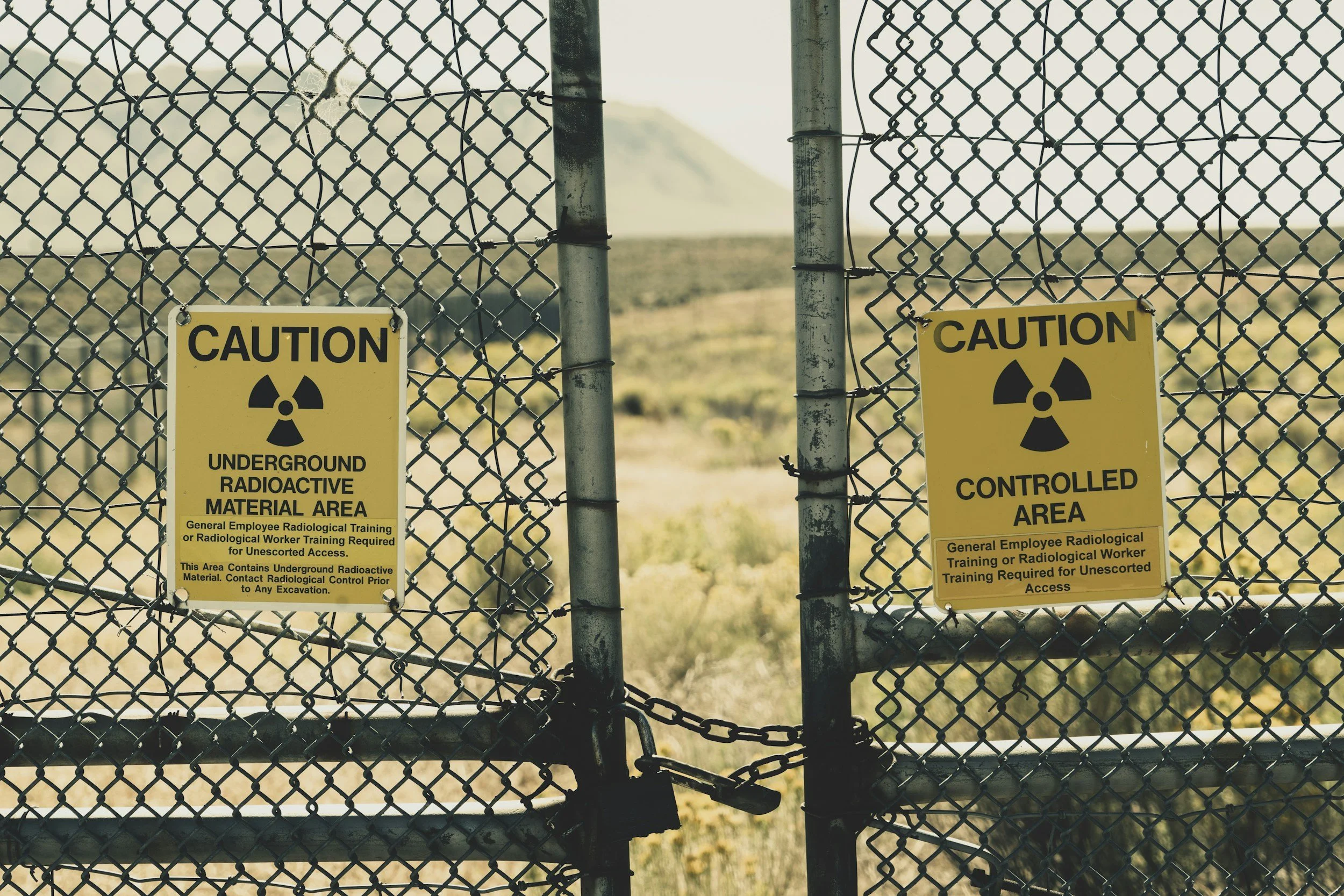
What is the PACT Act?
The PACT Act is a new law that expands VA health care and benefits for veterans who were exposed to burn pits, Agent Orange, and other toxic substances during their service.
If the VA denied your claim in the past and your condition is now presumptive, you can file a Supplemental Claim to have your case reviewed again.
Who is eligible?
The PACT Act opens up eligibility for veterans from the Vietnam War, Gulf War, and Post-9/11 eras. If you served in any of the following locations and time periods, you may be eligible for benefits:
- Post-9/11 Veterans: Served in Iraq, Afghanistan, and other locations in the Middle East and Africa.
- Gulf War Veterans: Served in the Gulf War.
- Vietnam Veterans: The PACT Act adds new presumptive conditions and locations for Agent Orange exposure, including Thailand, Cambodia, Laos, Guam, American Samoa, and Johnston Atoll.
What are "presumptive conditions"?
For some conditions, the VA automatically assumes ("presumes") that your service caused your condition. If you have a presumptive condition, you don't need to prove that your service caused it; you only need to meet the service requirements. The PACT Act adds more than 20 new presumptive conditions for burn pits, Agent Orange, and other toxic exposure.
What are Toxic Exposure Risk Activities (TERA)?
The TERA memorandum creates a new framework for the VA to concede that a veteran was likely exposed to toxic substances. It focuses on the *activity* itself, not just the location, lowering the burden of proof for veterans filing disability claims for conditions they believe were caused by toxic exposure.
What benefits does the PACT Act provide?
- Expanded VA health care: Millions of veterans are now eligible for VA health care.
- Disability compensation: You may be eligible for monthly disability payments for presumptive conditions.
- Toxic exposure screenings: Every veteran enrolled in VA health care will receive screenings.
- Benefits for survivors: Surviving family members may be eligible for benefits like DIC payments and health care.
How do I apply?
You can file a claim online, by mail, or in person. When you file, submit your personal statement and any buddy statements you have, referencing your MOS and service dates.
Continue below for more detailed information!
Burn Pit and Toxic Exposure Locations & Presumptive Conditions
On or after September 11, 2001, in:
- Afghanistan
- Djibouti
- Egypt
- Jordan
- Lebanon
- Syria
- Uzbekistan
- Yemen
- The airspace above any of these locations
On or after August 2, 1990, in:
- Bahrain
- Iraq
- Kuwait
- Oman
- Qatar
- Saudi Arabia
- Somalia
- The United Arab Emirates (UAE)
- The airspace above any of these locations
Presumptive Cancers:
- Brain cancer
- Gastrointestinal cancer (any type)
- Glioblastoma
- Head cancer (any type)
- Kidney cancer
- Lymphatic cancer (any type)
- Lymphoma (any type)
- Melanoma
- Neck cancer (any type)
- Pancreatic cancer
- Reproductive cancer (any type)
- Respiratory cancer (any type)
Presumptive Respiratory Illnesses:
- Asthma (diagnosed after service)
- Chronic bronchitis
- Chronic obstructive pulmonary disease (COPD)
- Chronic rhinitis
- Chronic sinusitis
- Constrictive bronchiolitis or obliterative bronchiolitis
- Emphysema
- Granulomatous disease
- Interstitial lung disease (ILD)
- Pleuritis
- Pulmonary fibrosis
- Sarcoidosis
Agent Orange Exposure Locations & Presumptive Conditions
Locations and Timeframes:
- Republic of Vietnam: January 9, 1962, to May 7, 1975
- Korean Demilitarized Zone (DMZ): September 1, 1967, to August 31, 1971
- Thailand: Any U.S. or Royal Thai base from January 9, 1962, to June 30, 1976
- Laos: December 1, 1965, to September 30, 1969
- Cambodia: At Mimot or Krek, Kampong Cham Province from April 16, 1969, to April 30, 1969
- Guam or American Samoa (and their territorial waters): January 9, 1962, to July 31, 1980
- Johnston Atoll (or a ship that called there): January 1, 1972, to September 30, 1977
- C-123 Aircraft: For those who operated, maintained, or served onboard specific C-123 aircraft.
Presumptive Cancers:
- Bladder Cancer
- Chronic B-cell Leukemias
- Hodgkin's Disease
- Multiple Myeloma
- Non-Hodgkin's Lymphoma
- Prostate Cancer
- Respiratory Cancers (including lung cancer)
- Soft Tissue Sarcomas (certain types)
Presumptive Other Illnesses:
- AL Amyloidosis
- Chloracne (or similar acneiform disease)
- Diabetes Mellitus Type 2
- High Blood Pressure (Hypertension)
- Hypothyroidism
- Ischemic Heart Disease
- Monoclonal Gammopathy of Undetermined Significance (MGUS)
- Parkinsonism
- Parkinson's Disease
- Peripheral Neuropathy, Early-Onset
- Porphyria Cutanea Tarda
Camp Lejeune Water Contamination
Locations and Timeframes: Marine Corps Base Camp Lejeune or MCAS New River, North Carolina: For at least 30 cumulative days from August 1, 1953, through December 31, 1987.
Presumptive Conditions:
- Adult leukemia
- Aplastic anemia and other myelodysplastic syndromes
- Bladder cancer
- Kidney cancer
- Liver cancer
- Multiple myeloma
- Non-Hodgkin's lymphoma
- Parkinson's disease
Radiation Exposure
Locations and Timeframes:
- Cleanup of Enewetak Atoll: January 1, 1977, to December 31, 1980.
- Cleanup of Palomares, Spain (B-52 bomber crash): January 17, 1966, to March 31, 1967.
- Thule Air Force Base, Greenland (B-52 bomber crash): January 21, 1968, to September 25, 1968
Presumptive Conditions for Radiation Exposure:
- Cancers of the bile ducts
- Cancer of the bone
- Brain cancer
- Breast cancer
- Colon cancer
- Esophagus cancer
- Gall bladder cancer
- Liver cancer (primary, not metastatic)
- Lung cancer
- Pancreas cancer
- Pharynx cancer
- Ovary cancer
- Salivary gland cancer
- Small intestine cancer
- Stomach cancer
- Thyroid cancer
- Urinary tract cancer (kidney/renal, bladder, and ureter)
- Leukemias (except for chronic lymphocytic leukemia)
- Lymphomas (except for Hodgkin's disease)
- Multiple myeloma
It is important to note that the cancer must have manifested within a certain period after exposure to be considered presumptive, and for some conditions, there is no time limit. For the most detailed and current information on eligibility, time limits, and how to file a claim, I strongly recommend visiting the VA's public health page on radiation exposure.
TERA (Toxic Exposure Risk Activities) Explained
The TERA memorandum is a significant part of the PACT Act that creates a new framework for the VA to concede that a veteran was exposed to toxic substances during their military service. It is a crucial tool designed to lower the burden of proof for veterans filing disability claims for conditions they believe were caused by toxic exposure.
TERA refers to specific circumstances or events where a veteran was **likely** exposed to toxic substances, chemicals, or environmental hazards during their service. The key here is that the exposure doesn't have to be tied to a specific location like the burn pits in the Middle East or Agent Orange in Vietnam. It focuses on the *activity* itself.
Key Advantages of the TERA Framework
- No Need to Prove Exposure: The biggest advantage is that a veteran no longer has the burden of proving that the exposure occurred. The TERA memorandum shifts that responsibility to the VA.
- Covers Non-Presumptive Conditions: This is a pathway for service connection for any condition, not just those on the PACT Act's presumptive lists. If you have a rare cancer or another illness you believe is from your service, the TERA process can help you make your case.
- Broader Application: It applies to veterans from all eras and locations, as long as they were involved in a toxic exposure risk activity.
Example of TERA activities:
1. Air Pollutants
- Burn Pits: Working at, living near, or being downwind from open-air burn pits.
- Oil Well & Sulfur Fires: Exposed to smoke and particulates from oil well fires in Kuwait or sulfur plant fire near Mosul.
- Sand and Dust Storms: Routinely operating in desert environments with high levels of fine particulate matter.
- Waste Incinerators: Service at locations with industrial waste incinerators, such as Atsugi, Japan.
2. Chemicals
- Herbicide Exposure: Handling or being in areas treated with herbicides like Agent Orange.
- Contaminated Water: Living or working at bases with known water contamination, like **Marine Corps Base Camp Lejeune**.
- Pesticide Application: Working in roles that required mixing or applying pesticides.
- Fuel and Solvent Exposure: Regularly handling fuels (like jet fuel JP-8), industrial solvents, degreasers, and special paints (like CARC). Common for **aircraft mechanics, vehicle maintenance crews, and some supply personnel.**
3. Occupational Hazards
- Asbestos Exposure: Working in construction, demolition, shipbuilding, or vehicle repair before the 1990s. Many Navy jobs have a high probability of asbestos exposure, such as **Machinist's Mate, Boilermaker, Hull Maintenance Technician, and Electrician's Mate**.
- Lead Exposure: Working with lead-based paints, at firing ranges, or in other industrial settings.
- Firefighting Foam (PFAS): Being a firefighter or part of emergency response teams that used AFFF.
- Shipyard Duty: Performing maintenance, repairs, or decommissioning of ships, involving toxins like lead paint, solvents, asbestos, and welding fumes. A **Damage Controlman (DC)** is an MOS with conceded TERA due to these activities.
4. Radiation
- Nuclear Weapons: Handling, maintaining, or being part of detonation/testing.
- Radiological Cleanup: Participating in cleanup operations at **Enewetak Atoll, Palomares (Spain), and Thule (Greenland)**.
- Nuclear Propulsion: Serving on a nuclear-powered submarine or ship.
- X-Ray Technician: Regularly operating x-ray equipment.
5. Warfare Agents
- Chemical/Biological Weapon Testing: Participating in testing programs like **Project 112/SHAD**.
- Mustard Gas Exposure: Involved in the German bombing of Bari, Italy (WWII).
- Handling Nerve Agents: Working in roles that required handling or disposal.
The VA must consider the specific circumstances of your service. If your job duties or deployment location made it likely that you were exposed to a hazardous substance, it can be considered a TERA.
The Most Important Thing to Know: The Burden of Proof Has Shifted
Under the TERA guidelines, the VA has a "duty to assist" and is required to review your service records to determine if a TERA occurred. You do not have to definitively *prove* the exposure; you have to show that your service likely placed you in a situation where exposure was possible.
Your primary job is to provide the "who, what, when, and where" of your service. The VA's job is to use that information to officially note or admit the exposure.
Personal/Buddy Statement (Lay Statement)
This is **extremely important**. Use **VA Form 21-4138 (Statement in Support of Claim)** or find a template from AFL here. **Be specific.**
Connect it to your job:
"As a 91B Wheeled Vehicle Mechanic, my duties included daily use of TCE and other solvents to clean engine parts in a poorly ventilated maintenance bay. We were not issued respirators and had direct skin contact with these chemicals."
"Buddy Statements" (Statements from fellow service members)
A statement from someone you served with can be incredibly useful. Ask them to be specific about what they remember, confirming your location, your duties, and the conditions you experienced together.
Photos or Personal Journals
Do you have any photos of yourself with the burn pit, a dust storm, or your work environment in the background? Visual evidence can be used. If you kept a journal that mentioned the conditions, that can also serve as evidence.
Who is eligible?
The PACT Act opens up eligibility for veterans from the Vietnam War, Gulf War, and Post-9/11 eras.
If you served in any of the following locations and time periods, you may be eligible for benefits:
Post-9/11 Veterans: If you served in Iraq, Afghanistan, and other locations in the Middle East and Africa, you may be eligible for benefits related to burn pit and other toxic exposures.
Gulf War Veterans: If you served in the Gulf War, you may also be eligible for benefits related to toxic exposures.
Vietnam Veterans: The PACT Act adds new presumptive conditions and locations for Agent Orange exposure, including Thailand, Cambodia, Laos, Guam, American Samoa, and Johnston Atoll.
What are "presumptive conditions"?
To get a VA disability rating, your disability must be connected to your military service. For some conditions, the VA automatically assumes ("presumes") that your service caused your condition. These are called "presumptive conditions." If you have a presumptive condition, you don't need to prove that your service caused it; you only need to meet the service requirements.
The PACT Act adds more than 20 new presumptive conditions for burn pits, Agent Orange, and other toxic exposure.
What are Toxic Exposure Risk Activities (TERA)?
The TERA memorandum is a significant part of the PACT Act that creates a new framework for the VA to concede that a veteran was exposed to toxic substances during their military service. It is a crucial tool designed to lower the burden of proof for veterans filing disability claims for conditions they believe were caused by toxic exposure.
TERA refers to specific circumstances or events where a veteran was likely exposed to toxic substances, chemicals, or environmental hazards during their service.
The key here is that the exposure doesn't have to be tied to a specific location like the burn pits in the Middle East or Agent Orange in Vietnam. It focuses on the activity itself.
What benefits does the PACT Act provide?
Expanded VA health care: Millions of veterans are now eligible for VA health care, years earlier than previously authorized.
Disability compensation: You may be eligible for monthly disability payments if you have a presumptive condition.
Toxic exposure screenings: Every veteran enrolled in VA health care will receive an initial screening and follow-up screenings for toxic exposures.
Benefits for survivors: Surviving family members may be eligible for benefits, including monthly DIC payments, burial benefits, education and training, and health care.
How do I apply?
You can file a claim for PACT Act-related disability compensation or apply for VA health care online, by mail, in person, or with the help of a trained professional.
When you file your disability claim, submit your personal statement and any buddy statements you have collected. Reference your MOS and the specific dates and locations of your service.
File a disability claim online:VA.gov/PACT
Apply for VA health care:VA.gov/health-care/apply
Call for more information: 1-800-MyVA411 (1-800-698-2411)
Continue below for more detailed information!
Burn Pit and Toxic Exposure Locations (Post-9/11 and Gulf War)
-
Afghanistan
Djibouti
Egypt
Jordan
Lebanon
Syria
Uzbekistan
Yemen
-
Bahrain
Iraq
Kuwait
Oman
Qatar
Saudi Arabia
Somalia
The United Arab Emirates (UAE)
-
If you meet the service requirements above, the following conditions are considered presumptive:
Presumptive Cancers
Brain cancer
Gastrointestinal cancer (any type)
Glioblastoma
Head cancer (any type)
Kidney cancer
Lymphatic cancer (any type)
Lymphoma (any type)
Melanoma
Neck cancer (any type)
Pancreatic cancer
Reproductive cancer (any type)
Respiratory cancer (any type)
Presumptive Respiratory Illnesses
Asthma (diagnosed after service)
Chronic bronchitis
Chronic obstructive pulmonary disease (COPD)
Chronic rhinitis
Chronic sinusitis
Constrictive bronchiolitis or obliterative bronchiolitis
Emphysema
Granulomatous disease
Interstitial lung disease (ILD)
Pleuritis
Pulmonary fibrosis
Sarcoidosis
Agent Orange Exposure Locations
-
Republic of Vietnam: January 9, 1962, to May 7, 1975
Korean Demilitarized Zone (DMZ): September 1, 1967, to August 31, 1971
Thailand: Any U.S. or Royal Thai base from January 9, 1962, to June 30, 1976
Laos: December 1, 1965, to September 30, 1969
Cambodia: At Mimot or Krek, Kampong Cham Province from April 16, 1969, to April 30, 1969
Guam or American Samoa (and their territorial waters): January 9, 1962, to July 31, 1980
Johnston Atoll (or a ship that called there): January 1, 1972, to September 30, 1977
C-123 Aircraft: For those who operated, maintained, or served onboard specific C-123 aircraft.
-
If you meet the service requirements above, the following conditions are considered presumptive:
Presumptive Cancers
Bladder Cancer
Chronic B-cell Leukemias
Hodgkin's Disease
Multiple Myeloma
Non-Hodgkin's Lymphoma
Prostate Cancer
Respiratory Cancers (including lung cancer)
Soft Tissue Sarcomas (certain types)
Presumptive Other Illnesses
AL Amyloidosis
Chloracne (or similar acneiform disease)
Diabetes Mellitus Type 2
High Blood Pressure (Hypertension)
Hypothyroidism
Ischemic Heart Disease
Monoclonal Gammopathy of Undetermined Significance (MGUS)
Parkinsonism
Parkinson's Disease
Peripheral Neuropathy, Early-Onset
Porphyria Cutanea Tarda
-
Marine Corps Base Camp Lejeune or MCAS New River, North Carolina: For at least 30 cumulative days from August 1, 1953, through December 31, 1987.
-
If you meet the service requirements above, the following conditions are considered presumptive:
Presumptive Conditions
Adult leukemia
Aplastic anemia and other myelodysplastic syndromes
Bladder cancer
Kidney cancer
Liver cancer
Multiple myeloma
Non-Hodgkin's lymphoma
Parkinson's disease
Camp Lejeune Water Contamination
-
Cleanup of Enewetak Atoll: January 1, 1977, to December 31, 1980.
Cleanup of Palomares, Spain (B-52 bomber crash): January 17, 1966, to March 31, 1967.
Thule Air Force Base, Greenland (B-52 bomber crash): January 21, 1968, to September 25, 1968
-
If you meet the service requirements above, the following conditions are considered presumptive:
Cancers of the bile ducts
Cancer of the bone
Brain cancer
Breast cancer
Colon cancer
Esophagus cancer
Gall bladder cancer
Liver cancer (primary, not metastatic)
Lung cancer
Pancreas cancer
Pharynx cancer
Ovary cancer
Salivary gland cancer
Small intestine cancer
Stomach cancer
Thyroid cancer
Urinary tract cancer (kidney/renal, bladder, and ureter)
Leukemias (except for chronic lymphocytic leukemia)
Lymphomas (except for Hodgkin's disease)
Multiple myeloma
It is important to note that the cancer must have manifested within a certain period after exposure to be considered presumptive, and for some conditions, there is no time limit.
For the most detailed and current information on eligibility, time limits, and how to file a claim, I strongly recommend visiting the VA's public health page on radiation exposure.
Radiation Exposure
-
Air Pollutants: Burn pits, sand, dust, particulates, oil well fires.
Chemicals: Herbicides (like Agent Orange), pesticides, industrial solvents.
Radiation: Nuclear weapons handling, radioactive waste.
Warfare Agents: Chemical and biological weapons.
Other Hazards: Asbestos, lead, contaminated water (like at Camp Lejeune).
The TERA framework is designed to be broad and can even include exposures that occurred during training exercises in the United States.
-
Medical Opinion (Nexus): Once exposure is conceded, the VA is required to get a medical opinion to determine if there is a link (a "nexus") between the in-service toxic exposure and the veteran's current disability. The medical professional will evaluate whether it is "at least as likely as not" that the condition was caused or aggravated by the exposure.
-
No Need to Prove Exposure: The biggest advantage is that a veteran no longer has the burden of proving that the exposure occurred. The TERA memorandum shifts that responsibility to the VA.
Covers Non-Presumptive Conditions: This is a pathway for service connection for any condition, not just those on the PACT Act's presumptive lists. If you have a rare cancer or another illness you believe is from your service, the TERA process can help you make your case.
Broader Application: It applies to veterans from all eras and locations, as long as they were involved in a toxic exposure risk activity.
-
1. Air Pollutants
This category includes exposure to harmful particles and fumes in the air.
Burn Pits: Working at, living near, or being downwind from open-air burn pits used to dispose of waste in locations like Iraq and Afghanistan.
Oil Well & Sulfur Fires: Being exposed to the smoke and particulates from the oil well fires in Kuwait during the Gulf War or the sulfur plant fire near Mosul, Iraq.
Sand and Dust Storms: Routinely operating in desert environments with high levels of fine particulate matter from sand and dust.
Waste Incinerators: Service at locations with industrial waste incinerators, such as the one at the Naval Air Facility at Atsugi, Japan.
2. Chemicals
This involves direct or indirect contact with harmful chemicals.
Herbicide Exposure: Handling, spraying, or being in areas treated with herbicides like Agent Orange in Vietnam, Thailand, the Korean DMZ, and other specified locations.
Contaminated Water: Living or working at bases with known water contamination, most notably Marine Corps Base Camp Lejeune, where the water contained industrial solvents and other chemicals.
Pesticide Application: Working in roles that required mixing or applying pesticides on military bases.
Fuel and Solvent Exposure: Regularly handling, transporting, or working with fuels (like jet fuel JP-8), industrial solvents, degreasers, and special paints (like Chemical Agent Resistant Coating - CARC).
This is common for aircraft mechanics, vehicle maintenance crews, and some supply personnel.
3. Occupational Hazards
This is a very broad category tied directly to a veteran's Military Occupational Specialty (MOS) or job duties, including "garrison exposures" (exposures on a military base, even stateside).
Asbestos Exposure: Working in construction, demolition, shipbuilding, or vehicle repair before the 1990s. Many Navy jobs have a high probability of asbestos exposure, such as Machinist's Mate, Boilermaker, Hull Maintenance Technician, and Electrician's Mate.
Lead Exposure: Working with lead-based paints, at firing ranges, or in other industrial settings involving lead.
Firefighting Foam (PFAS): Being a firefighter or part of emergency response teams that used Aqueous Film-Forming Foam (AFFF) during training or actual emergencies.
Shipyard Duty: Performing maintenance, repairs, or decommissioning of ships, which involves exposure to a wide array of toxins like lead paint, solvents, asbestos, and welding fumes. A Damage Controlman (DC), for example, is an MOS with conceded TERA due to these activities.
Noise and Vibration: Operating heavy machinery or aircraft, which can be considered an occupational hazard.
4. Radiation
This includes exposure to any form of ionizing radiation during service.
Nuclear Weapons: Handling, maintaining, or being part of the detonation or testing of nuclear weapons.
Radiological Cleanup: Participating in the specific cleanup operations at Enewetak Atoll, Palomares (Spain), and Thule (Greenland).
Nuclear Propulsion: Serving on a nuclear-powered submarine or ship as a technician or in other capacities.
X-Ray Technician: Working as a dental or medical technician who regularly operates x-ray equipment.
5. Warfare Agents
This category involves exposure to chemical or biological weapons, whether in testing or combat.
Chemical/Biological Weapon Testing: Volunteering for or participating in testing programs like Project 112/SHAD or other CBRNE (Chemical, Biological, Radiological, Nuclear, and Explosives) testing.
Mustard Gas Exposure: Being involved in the German bombing of Bari, Italy, in WWII or working in labs where these agents were tested.
Handling Nerve Agents: Working in roles that required the handling or disposal of nerve agents.
The VA must consider the specific circumstances of your service.
If your job duties or deployment location made it likely that you were exposed to a hazardous substance, it can be considered a TERA
-
Under the TERA guidelines, the VA has a "duty to assist" and is required to review your service records to determine if a TERA occurred.
You do not have to definitively prove the exposure; you have to show that your service likely placed you in a situation where exposure was possible.
Think of it this way: Your primary job is to provide the "who, what, when, and where" of your service.
The VA's job is to use that information to officially note or admit the exposure.
-
This is extremely important. Use VA Form 21-4138 (Statement in Support of Claim) or find a template from AFL here.
Be specific. Don't just say, "I was exposed to burn pits." Instead, describe it in detail:
"From May 2007 to July 2008, I was stationed at FOB Speicher in Iraq. My bunk was in a CHU located approximately 400 meters from the main burn pit. Thick, black smoke would often drift over our living area, especially in the evenings. The smoke smelled of burning plastic and chemicals, and I developed a persistent cough about three months into my deployment."
Connect it to your job.
"As a 91B Wheeled Vehicle Mechanic, my duties included daily use of TCE and other solvents to clean engine parts in a poorly ventilated maintenance bay. We were not issued respirators and had direct skin contact with these chemicals."
"Buddy Statements" (Statements from fellow service members)
A statement from someone you served with can be incredibly useful.
Ask them to be specific about what they remember, confirming your location, your duties, and the conditions you experienced together.
Photos or Personal Journals
Do you have any photos of yourself with the burn pit, a dust storm, or your work environment in the background? Visual evidence can be used.
If you kept a journal that mentioned the conditions, that can also serve as evidence.
TERA (Toxic Exposure Risk Activities)
It's important to remember that this is not an complete list.